
Are Solar Credits Tax-Free? What You Need to Know About Digital Solar Savings
When people start saving money through solar, one question comes up almost every time: are solar credits tax-free? It’s a fair question, and it matters more now that more Indians are turning to digital solar platforms like SundayGrids to cut power bills without ever installing a rooftop panel. Whether you’re an individual subscriber or running a small business exploring renewable savings, knowing how these credits are treated under tax rules helps you plan with fewer surprises later.
What Are Solar Credits and How Do They Work?
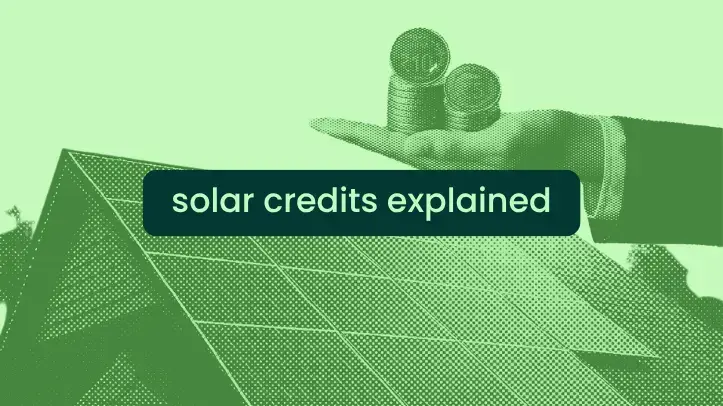
When you generate or reserve solar power, whether through rooftop panels or a digital solar subscription, that electricity gets converted into energy credits. These show up directly on your electricity bill and reduce what you owe, which is really the starting point for answering Are Solar Credits Tax-Free in the first place.
Say your household generates ₹2,000 worth of power against a ₹2,500 bill. You’d only pay ₹500. Rooftop users call this net metering; with a subscription service like SundayGrids, the equivalent is usually called virtual metering.
Are Solar Credits Tax-Free in India?
For residential users, solar credits generally aren’t treated as taxable income. The reasoning is fairly simple: these credits aren’t cash landing in your bank account. They’re bill adjustments, so you’re reducing an expense rather than earning money.
You’re not selling electricity for profit. You’re lowering your own costs using solar-generated units, and that distinction is exactly why, for most households, the answer to “are solar credits tax-free” is yes.
It’s a different story for businesses or institutions that sell solar power back to the grid at a fixed rate. That income can fall under business income or “income from other sources” depending on how the entity is structured.
How Digital Solar Savings Actually Work
SundayGrids gives you a way into solar without owning any panels. You reserve capacity in a solar farm, the energy generated gets tracked digitally, and it converts into solar bill credits applied through your utility.
Those credits lower your power bill every month without any maintenance on your end. This is really the practical answer to whether solar credits are tax-free: because they’re virtual bill credits rather than income, they generally sit outside personal taxation, since you’re saving, not earning.
When Solar Income May Become Taxable
To stay transparent, it’s worth knowing the scenarios where solar credits or earnings might actually be taxable in India:
| Scenario | Tax Implication | Example |
| Rooftop solar system selling excess power under Gross Metering | Taxable as business income | If your DISCOM pays you ₹10,000/year for exported units |
| Commercial solar farms owned for profit | Taxable under business head | A factory selling solar energy to grid |
| Digital Solar credits used for bill offset | Non-taxable (bill savings) | A SundayGrids user receiving ₹2,000 in monthly credits |
The general rule: if your solar setup earns you actual cash, it’s likely taxable. If it just lowers your bill through credits, like most digital solar subscribers experience, are solar credits tax-free stays the short answer.
Digital Solar vs Traditional Rooftop: Tax and Convenience
| Feature | Digital Solar | Rooftop Solar |
| Ownership | Virtual (subscription-based) | Physical (installed at home) |
| Maintenance | Included in subscription | Owner’s responsibility |
| Billing | Automatic credit adjustment | Net-meeting connection |
| Taxation | Non-taxable savings | Depends on sale or export |
For most urban residents who rent homes or live in apartments, digital solar provides both financial and tax simplicity, no installation, no depreciation, no business income to report. Curious about the numbers behind that? See What Are the Financial Benefits of Digital Solar?
Is There GST on Digital Solar?
When you reserve solar capacity through SundayGrids, there’s a one-time reservation fee, and that fee may carry a small GST component depending on how the service is structured. It’s not a recurring charge tied to your monthly savings.
The energy credits themselves don’t attract GST, since they’re treated as utility bill adjustments rather than a separate good or service being sold to you.
Conclusion
To sum it up: For households, solar credits are tax-free savings, not income. For businesses selling power, solar income may be taxable. For digital solar subscribers wondering are solar credits tax-free, the short answer stays the same: there’s no taxation and no compliance to worry about, just lower bills.
SundayGrids allows anyone, even renters, to access these digital solar savings by reserving solar power capacity virtually and offsetting electricity costs directly through bill credits. You don’t need a rooftop, you don’t need a loan, and best of all, you don’t need to worry about tax filings for your solar savings.