What is clean energy? What are some sources for Clean Energy?
As the world becomes more electrified, the rising electricity demand is unlikely to abate anytime soon. The sources of clean energy we pick today will decide how that demand gets met. By replacing highly polluting energy sources such as coal, natural gas, oil, and others with clean energy sources, the world can work to eliminate nearly 25% of global greenhouse emissions, if not more. Luckily, several sources of clean energy are already affordable for ordinary households. Below, we break down the sources of clean energy that matter most. At Sundaygrids, we believe clean power should be easy for every household to use.
💡Key Takeaways
- Energy comes from renewable & zero emission sources is Clean Energy
- Green energy refers to power that comes from natural sources, like the sun. Clean energy is generated without releasing pollutants into the air, and renewable energy is from sources that can be replenished, such as hydropower, wind and solar.
- Sources of Clean & Renewable Energy -Solar energy from the sun, Geothermal energy from heat inside the earth, Wind energy, Biomass from plants, Hydropower from flowing water.
- For domestic use cases, we can access clean energy by installing solar panels or subscribing to digital community solar projects.
So, now, we have to understand what clean energy is and how it can aid in making the environment livable.
What is clean energy?
Clean energy helps eliminate hazardous smog, toxic buildup in our air and water, and the harmful effects of coal and gas production. Clean energy provides consistent electricity and fuel diversification. They reduce the risk of environmental disasters, such as fuel spills and other natural gas leaks.
Renewable energy sources account for more than one-third of installed power capacity worldwide, that is 26% of the global electricity, and is projected that by 2024, that percentage will rise to 30%. The world’s solar capacity will increase by 600 gigatonnes (GW), and the overall renewable energy production is expected to increase by 1200 GW by 2024.
Clean vs Renewable vs Green
Clean energy refers to zero-emission power generation. Now there is a bit of overlap here with green energy or renewable energy and they are often used to mean one and the same. Green sources of energy often refers to power obtained from natural resources, such as biofuels and firewood for instance. Renewable energy refers to sources that can be replenished over and over. So for instance, heat from biofuels and firewood are considered ‘green’ but they produce emissions, meanwhile nuclear power, one of the sources of clean energy, is considered to be clean but not a ‘green’ power.
Sources of Clean and Renewable Energy
These are some of the most commonly tapped into sources of clean energy
SOLAR ENERGY
Sunlight is one of our planet’s most abundant and readily available energy sources. The amount of solar energy reaching the earth’s surface in one hour is enough to meet the entire annual energy needs of the planet.
We can use this energy to generate electricity using technologies such as solar panels or concentrating solar power plants (reflective mirrors). The electricity generated through solar energy is without emission and does not cause pollution. We have gone deeper into different kinds of solar power systems and how they work here. Solar is also where we at Sundaygrids focus most, because it’s the easiest option for a home to adopt.
WIND ENERGY
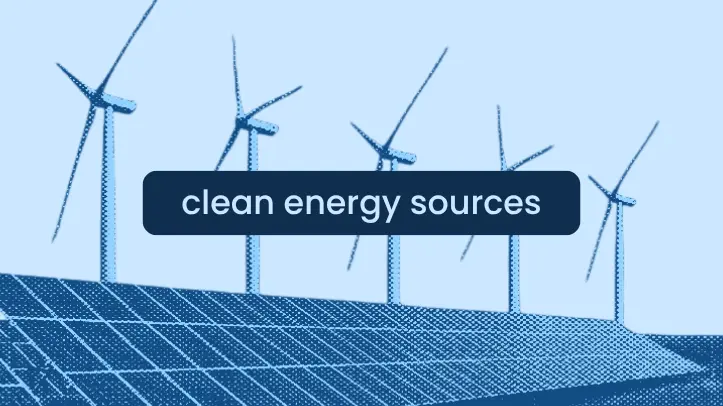
Wind power is one of the most rapidly growing renewable energy technologies. It often comes in the form of large wind turbines, both on land as well as off-shore. In fact, it has been a large driver behind getting more clean energy into our power mix. Today, China, the United States, Germany and India are the largest producers of power from wind.
HYDRO POWER
Hydro power generally refers to the use of falling or fast-moving water to generate electricity or power machinery. In other words, it transforms a water source’s gravitational potential to kinetic energy and then into electrical energy
TIDAL ENERGY
Tidal energy is the gravitational interaction between the earth, the sun, and the moon that causes natural rise and fall of tides. While tidal flow is not constant when compared to other hydro-powered energy sources, it is highly predictable.
GEOTHERMAL ENERGY
Geothermal energy is the heat within the earth, and the power generated from this energy source is known as geothermal power. For generating electricity in geothermal power plants, steam is used. This steam gets produced by hot water reservoirs located a few miles or more beneath the earth’s surface. The steam powers a turbine, which in turn powers a generator, which generates electricity.
The only limitation with geothermal energy is that its source is not readily available. So, the feasibility of harnessing this energy in every country or geographical location is low.That’s why we at Sundaygrids keep watching all the sources of clean energy, not just one, and match each household to what works where it lives.
Conclusion: Start With Solar Energy
Electricity demand will keep climbing, so how we generate power matters more each year. Solar, wind, hydro, tidal, and geothermal are all proven options, and each suits a different place and need. For most households, solar panels or community solar are the easiest way in. Look at the sources of clean energy available where you live, and start with the one that fits.